

Rain in Toronto can be more than a daily inconvenience; it can mess with your car, too. One of the most annoying issues is when your car lock sticks after rain in Toronto, making it difficult or even impossible to unlock your car. The culprit? Moisture enters the lock through micro openings, mixing with road salt and dirt, and causing rust, corrosion, or freezing. Especially if the locking system hasn’t been maintained, this can turn into a recurring hassle. In some cases, the issue can also impact newer electronic or remote lock systems. If this sounds like what you’re dealing with, you might want to consider Professional Car Key Replacement in Toronto before the next downpour catches you unprepared.
Common Weather-Related Car Lock Problems
If you live in a city like Toronto, you have probably experienced getting into your car when the locks are stuck because it’s cold or raining outside. Bad weather is one of the worst things for your car’s locking system. The following are some of the most common problems that can occur due to inclement weather.
Locks Freezing in Cold Weather
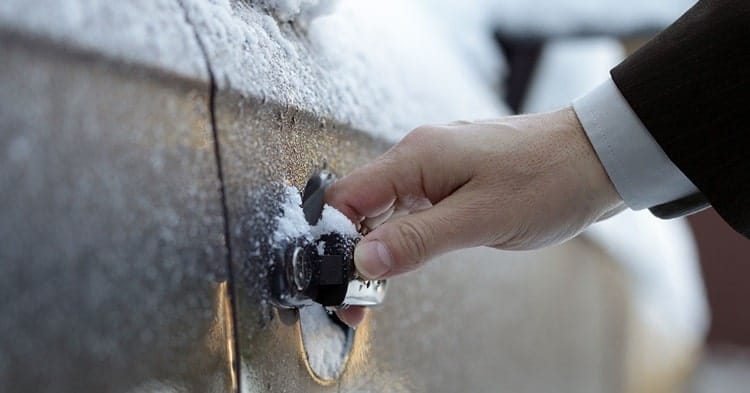
This problem is very common in Toronto’s cold winters. If moisture or rainwater gets into the lock and then the temperature drops below freezing, the lock can easily freeze. You might even be able to put the key in the lock, but it won’t turn, and nothing will happen because the internal mechanism is frozen.
Locks stuck after rain
When it rains, moisture can seep into the lock, making it harder and slower to lock and unlock the doors. This is a sign that the lock has dried out, lost lubrication, or is being affected by moisture.
Remote or lock sensor failure due to humidity
Not all locks are mechanical. Many new cars use electric locks or touch sensors. When humidity is high, these systems can malfunction, causing the remote to not work, the door will not open with the button, or the automatic lock will not stay engaged.
The lock is stuck due to wet dust accumulation
Rain usually brings dirt and surface dust with it. This material enters the lock along with the water and, when it dries, forms deposits. These deposits can make the key move stiffly in the lock or completely jam the mechanism.
These problems are really annoying, especially when you are in a hurry early in the morning and cannot open your car door. In these cases, you may have to find a way to Unlock Your Car Without a Key.
Why Rain Causes Lock Sticking in Toronto
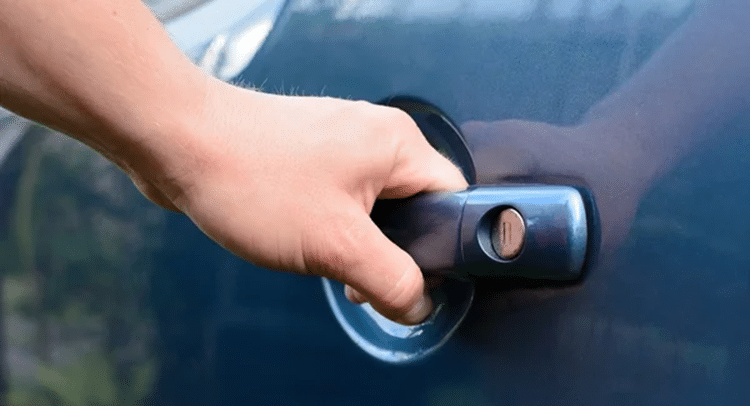
Imagine a rainy fall morning in Toronto. You take out your key to go to work, but no matter how hard you turn the key in the lock, the door won’t open. The lock isn’t broken, nor is the key broken; the problem is the same rain that fell nonstop last night. High humidity, air pollution, and temperature fluctuations all work together to let moisture into your lock through tiny cracks. If the temperature drops (even by a few degrees), that moisture can freeze or cause the metal parts inside the lock to stick together.
Now, if the streets were salted the day before, the combination of water and salt over time can cause corrosion or scale to build up inside the lock. The result is a lock that either sticks or turns too hard. This doesn’t just happen once. If your car lock isn’t properly sealed or hasn’t been serviced in a long time, you should prepare yourself for a morning battle of nerves every time it rains.
For more tips on protecting your car locks and preventing weather damage, visit How to Protect Your Car Locks From Weather.
How Moisture Affects Lock Mechanisms
Moisture can be the enemy of a lock; it can derail the lock’s inner workings. How does this happen? Locks usually have some sort of grease (or oil) that keeps them functioning properly. When moisture enters the lock, it will wash away or dilute it, which means the lock will dry out and seize up. If the lock goes untreated, the next time moisture gets in and sits for a long time, rust will develop and prevent the lock from moving. To make matters worse, the government will often use salt when clearing roads of snow, and that salt, coupled with moisture, can get into the lock, causing moving parts to seize up.
Quick Fixes and DIY Solutions
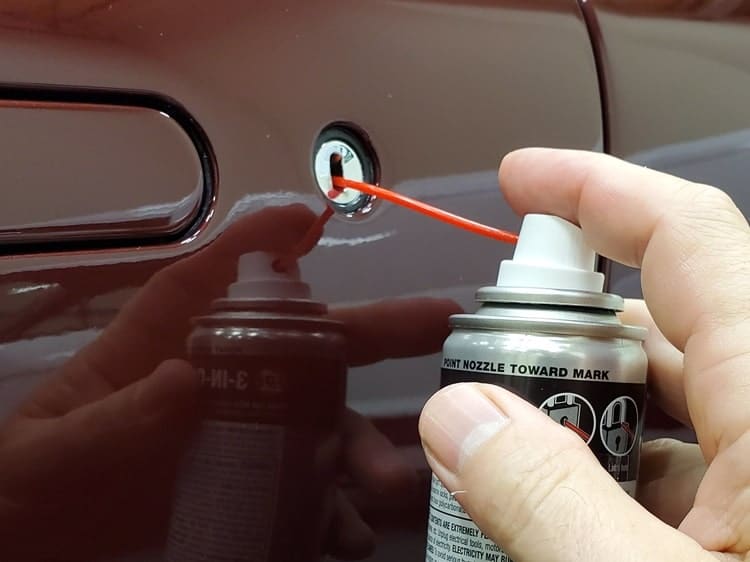
When the lock on your Car Lock sticks following a rainstorm, you may not need to call a locksmith. There are simple solutions you may implement that will fix the lock and allow you to unlock the car:
- Apply lock lubricant: The most obvious way to soften your lock is with a lubricant (like WD-40 or lock lubricant spray). Spray just a little bit into the lock groove, then insert your key and turn it slowly until it turns smoothly.
- Heat the key and lock: If your lock is frozen, you could warm the key up slightly with a match or lighter (be careful not to burn it), then put it in the lock. The heat will melt the ice inside the lock structure and unlock it.
- Cleaning the lock from dirt: Sometimes, dust or salt gets stuck inside the lock. You can use a blower or compressed air to remove dirt from inside the lock. Using a soft toothbrush and isopropyl alcohol to clean around the lock can also help.
The above suggestions are generally inexpensive and quick to do and will not require special tools.
Need Help With a Stuck Car Key in Toronto?
Here at Eastern Locksmith, we understand how frustrating a stuck car lock can be, especially during a rainy morning rush. Whether it’s mechanical or remote, we’re here to help!
When to Call a Toronto Auto Locksmith
Sometimes, practical solutions aren’t enough to unlock a lock. In this case, it’s best to call a professional. If the lock remains stuck after trying the above methods, a qualified locksmith will be able to diagnose the problem and make the necessary repairs. A professional is also recommended if the lock shows signs of significant damage, such as cracks or broken parts.
In addition, if you have been the victim of an attempted break-in, it is essential to call a locksmith to check the integrity of your locking system and replace it if necessary to guarantee your security. This is especially true in cases where a car lock sticks after rain in Toronto, as moisture can cause internal mechanisms to seize up or corrode.
Sum up
When your car lock becomes sticky or jammed after it rains in Toronto, the main cause is often moisture, dirt, or road salt entering the mechanism. These elements can lead to corrosion, frozen components, or loss of essential lubrication, resulting in a stuck lock. In many cases, this is exactly why car locks stick after rain in Toronto. With a bit of maintenance or simple DIY fixes, you can often solve the problem on your own. And when that is not enough, professional locksmith services in Toronto are just a call away to get your lock working smoothly again.
If you’re on the move and need fast, reliable help anywhere in the city, our trusted Mobile Locksmith Services in Toronto are just what you need. We’ll come to you, rain or shine.
FAQs
Will opening the safe damage it?
Yes, rain and high humidity can cause rust, sticking of interior parts, and even freezing in cold weather. If you park your car outside regularly, especially in cities like Toronto that get a lot of rain, this problem will start to show itself.
How much does safe unlocking cost in Toronto?
If you feel that the lock is a little stiff or dry after rain, yes, it is best to use a lock lubricant (such as graphite spray or WD-40). Just be careful not to spray too much.
Can locksmiths open digital and key safes?
If the remote doesn’t work, moisture has probably damaged its internal circuitry. It is best to have an emergency mechanical key or see a professional locksmith immediately.
Ever had your car lock freeze or jam after a Toronto rainstorm? What worked for you? Drop your experience or questions in the comments. We’re here to chat!